Best Hiking Boots for Men: Tested & Reviewed (70)

Affiliate disclosure: Some links on this page are affiliate links. If you buy through them we earn a small commission at no extra cost to you. This never influences which products we recommend — we only suggest things we'd buy ourselves. Product prices and availability are accurate as of the date published and are subject to change. Always check Amazon for current pricing before purchasing. Learn more.
Quick Picks
Salomon X Ultra 4 GTX Hiking Shoes
Outstanding grip on loose and wet rock
Merrell Moab 3 Mid Waterproof Hiking Boot
Reliable waterproofing for day hikes in wet conditions
Merrell Women's Moab 2 Mid Waterproof Hiking Boot
Well-reviewed hiking boots option
Buy on Amazon| Product | Price Range | Top Strength | Key Weakness | Buy |
|---|---|---|---|---|
| Salomon X Ultra 4 GTX Hiking Shoes best overall | $$ | Outstanding grip on loose and wet rock | Narrow toe box is not ideal for wide feet | — |
| Merrell Moab 3 Mid Waterproof Hiking Boot also consider | $$ | Reliable waterproofing for day hikes in wet conditions | Heavier than modern lightweight competitors | — |
| Merrell Women's Moab 2 Mid Waterproof Hiking Boot also consider | Well-reviewed hiking boots option | Verify specifications match your needs before purchasing | Buy on Amazon | |
| ASOLO Fugitive GTX Hiking Boot - Men's also consider | Well-reviewed hiking boots option | Verify specifications match your needs before purchasing | Buy on Amazon | |
| Boot Stretcher Cowboy Knee High Ski Boots Riding Snowboard Horn Slip Tall Thigh Calf Shoe Breaking In Women Men New Tight Leather Suede Nubuck Stretcher Tool Hooks Spray Softener Cosplay Equestrian also consider | Well-reviewed hiking boots option | Verify specifications match your needs before purchasing | Buy on Amazon |
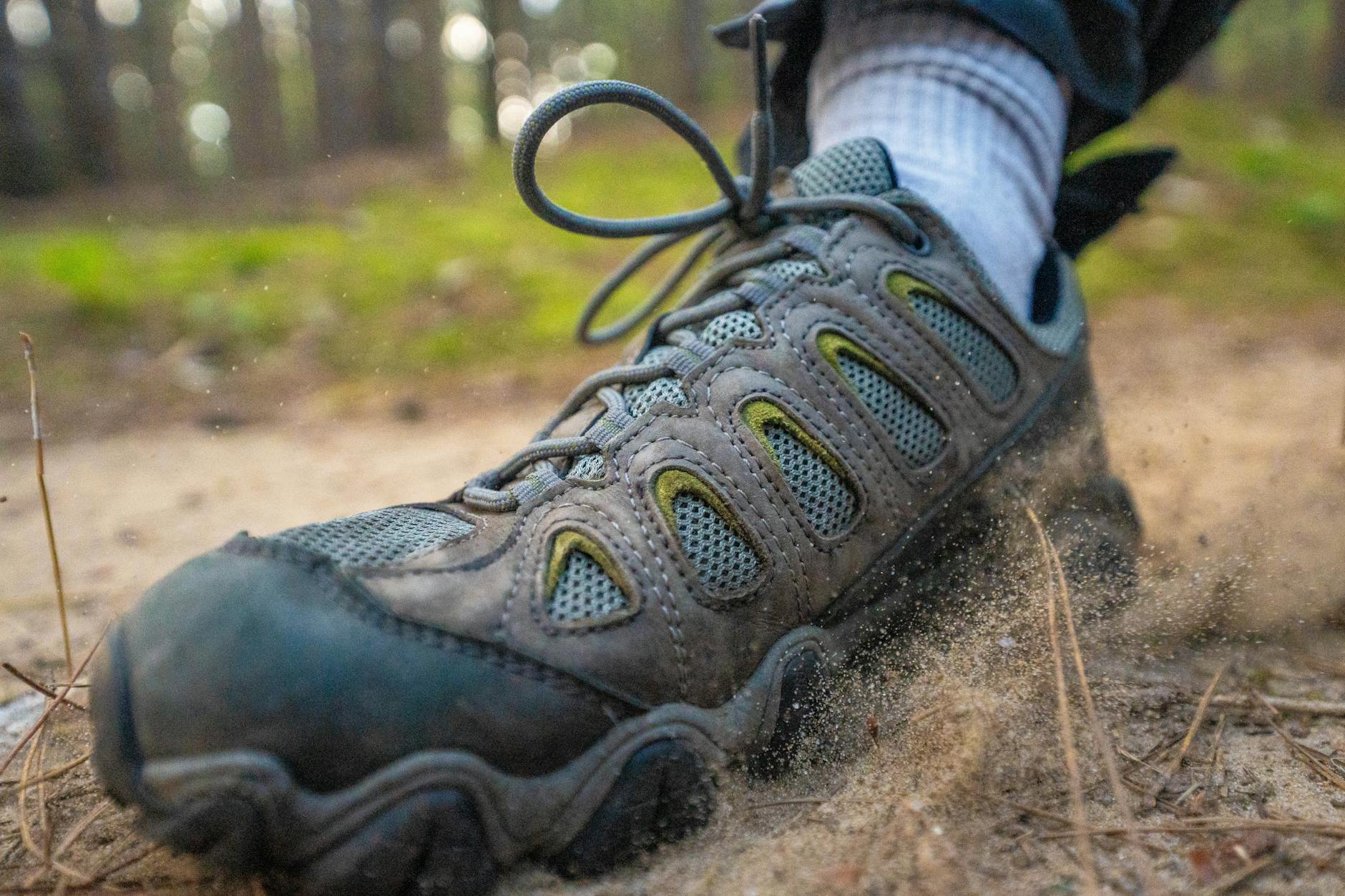
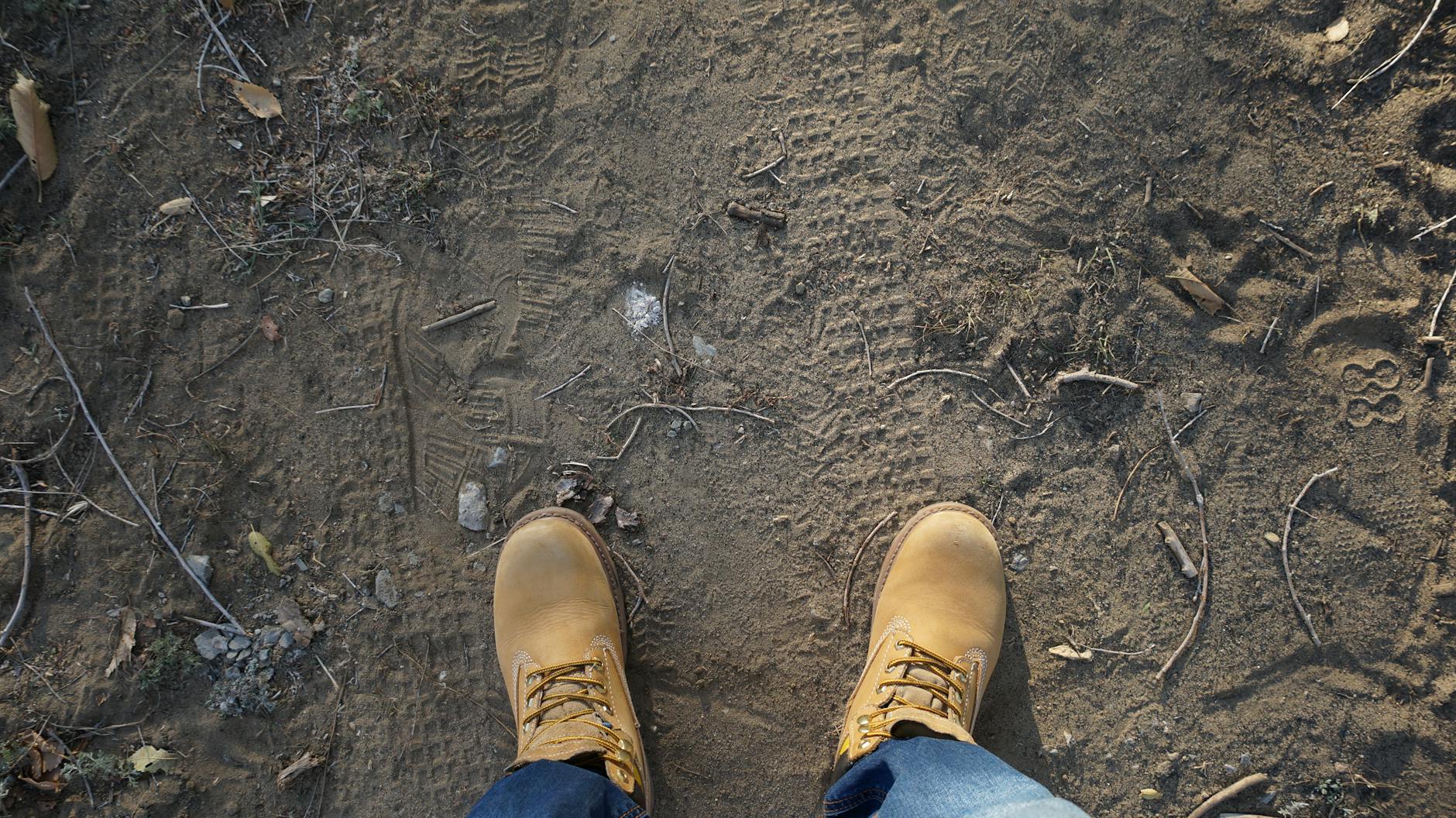
Finding the right pair of men’s hiking boots matters more than most gear decisions you’ll make , the wrong choice doesn’t just slow you down, it ends trips early. I’ve spent eight years guiding clients across the Scottish Highlands, Alpine approaches, and Patagonian trails, and footwear failure is the most common reason a well-planned route gets cut short. A few honest hours with the right resources , starting with a solid look at the full range of hiking boots , will save you from making an expensive mistake on terrain that doesn’t forgive poor preparation.
The market is full of boots that look capable on a product page. What separates a genuinely good boot from a mediocre one comes down to a handful of criteria that most marketing copy glosses over entirely: sole stiffness matched to terrain, last width matched to foot shape, and break-in requirement matched to your timeline. I’ll cover each of those before getting to specific picks.
What to Look For in Men’s Hiking Boots
Sole Stiffness and Terrain Match
Sole stiffness is the criterion I see most buyers ignore, and it’s the one that bites them hardest. A flexible sole feels comfortable on a flat trail. On a sustained scree field or a rocky descent with a loaded pack, that same flexibility translates directly into foot fatigue, arch strain, and , in bad cases , bruising through the midsole. I learned this the hard way: I once recommended a lightweight boot to a client based on its spec sheet weight without checking the sole stiffness. He wore it on a route with sustained scree and was complaining of foot pain by the afternoon. The boot wasn’t bad , I’d just matched it to the wrong terrain.
The general rule: the rougher, steeper, and more technical the terrain, the stiffer the sole you need. A half-day trail with good surfaces suits a flexible, lightweight build. Multi-day mountain routes with boulder fields, loose rock, or significant elevation change call for a stiffer platform that protects the foot over many hours of cumulative impact.
Waterproofing and Breathability
Gore-Tex and equivalent membranes are a genuine asset in wet climates and shoulder-season conditions. They also add warmth and reduce breathability , trade-offs worth understanding before you commit. In a Scottish October or an Alpine approach in unsettled weather, a waterproof liner earns its keep within the first hour. On a dry summer route in the Alps or a desert track, that same liner may leave your feet running hot and damp from perspiration rather than from external water.
Evaluate waterproofing against your typical conditions, not the worst-case scenario you can imagine. If you primarily hike in arid terrain, a non-waterproof boot with good drainage and quick-dry mesh may serve you better for most outings, with waterproofing reserved for foul-weather trips.
Last Width and Foot Shape
Last width is one of the most under-discussed variables in footwear retail. A boot that fits a medium-width foot well will feel punishing on a wide foot after ten miles, and no amount of lacing adjustment fully compensates for a narrow last on a wide forefoot. Before you settle on any boot, know your foot width , not just your length , and check whether the manufacturer offers multiple width options or is known for a particular last profile.
Wide-footed hikers have historically had fewer options in technical footwear. That’s changing, but it’s still worth confirming before purchasing rather than hoping it works out on the hill.
Ankle Height and Support
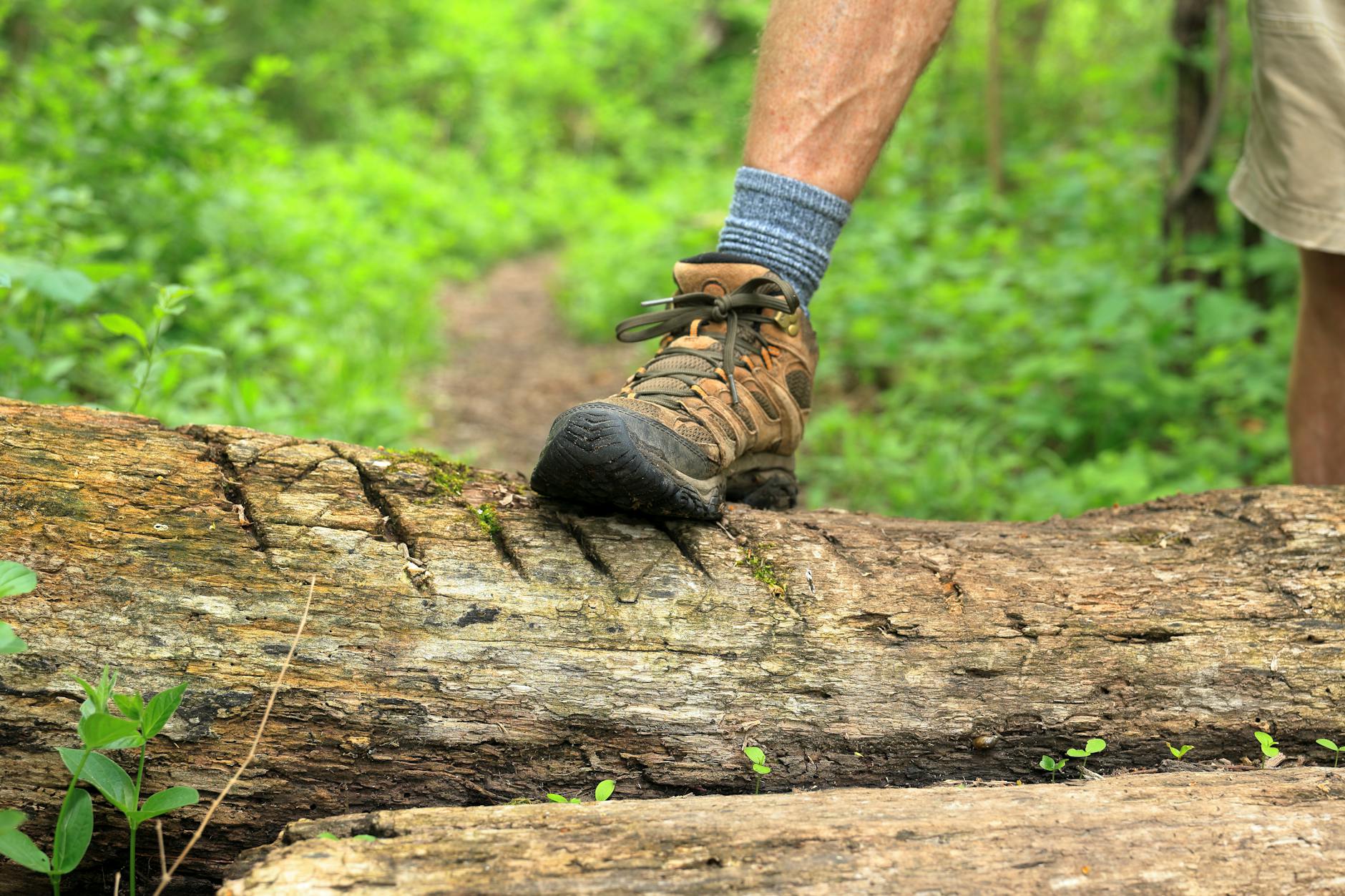
Low-cut trail shoes, mid-cut hiking boots, and full-height mountaineering boots serve genuinely different purposes. A low-cut design suits fast hikers on maintained trails who prioritize agility and light weight. A mid-cut boot offers a meaningful amount of ankle support without the full weight penalty of a high-cut design , it’s the most versatile option for most day hikers. A high-cut boot pays off on technical mountain terrain, off-trail travel, and situations where ankle stability under load is a genuine safety consideration.
The answer isn’t always “more support is better.” Hikers who are fit, well-conditioned, and moving on moderate terrain often move more efficiently in a lighter, lower shoe than in a full boot. Match the support to the route and the hiker, not to an abstract idea of what looks serious. Browsing the full range of men’s hiking footwear by cut and intended use is a useful starting point for narrowing your options.
Break-In Requirement
Any boot review that doesn’t mention break-in time is missing the point. A boot that fits perfectly out of the box on flat pavement will feel completely different after fifteen miles of descent with a loaded pack , the heel counter stiffens against your Achilles, the toe box contracts, and hotspots you never noticed in the shop become blisters that can end a multi-day trip.
I took a group of six through a week-long traverse in the Cairngorms one October. Two people arrived with brand-new boots they hadn’t broken in. By day two, both were nursing serious heel blisters and we had to cut the route short. The boots weren’t bad , they just needed forty miles of walking before that trip, not during it. My standing guidance: give any new boot a minimum of fifty miles before you take it somewhere remote.
Top Picks
Salomon X Ultra 4 GTX Hiking Shoes
The Salomon X Ultra 4 GTX is the boot I’d hand to a fit, experienced hiker who moves quickly over mixed terrain and values agility over maximum ankle support. Salomon’s Contagrip sole delivers outstanding traction on loose and wet rock , grip that holds when you’re moving confidently and decisively, which is when grip matters most. The Gore-Tex liner keeps feet dry without making the shoe feel like a sauna, a balance that’s harder to strike than it sounds at this cut height.
The low-profile design means you’re giving up ankle support relative to a mid-cut boot. For hikers who know their ankles, move at pace, and stay on maintained or semi-technical trails, that trade-off is entirely sensible. For hikers carrying heavy packs on sustained off-trail terrain, it’s a mismatch.
The toe box runs narrow. If your foot is wide through the forefoot, try before you buy , or size up and accept that you’ll be relacing to compensate. This is not a boot for wide feet, and pretending otherwise sets you up for a painful afternoon.
Check current price on Amazon.
Merrell Moab 3 Mid Waterproof Hiking Boot
The Merrell Moab 3 Mid Waterproof is the boot I’d recommend to someone who wants a straightforward, reliable mid-cut waterproof boot without overthinking the decision. Merrell has refined this platform across multiple generations, and the result is a boot that does exactly what most day hikers need it to do: keep feet dry, provide reasonable ankle support, and fit a wide range of foot shapes without drama.
The wide forefoot last is the feature that earns this boot its recommendation for many buyers , particularly hikers who’ve struggled with pinching and pressure in narrower boots like the Salomon X Ultra. The Moab 3 Mid fits generously through the toe box, which matters enormously after mile ten on a trail with any descent.
It’s heavier than modern lightweight competitors, and it requires a genuine break-in period to prevent heel blisters , arrive at the trailhead in unworn Moab 3 Mids and your trip is going to hurt. Give them fifty miles first. Once broken in, they’re one of the most consistent, go-anywhere day hiking boots available at a mid-range price point.
Check current price on Amazon.
Merrell Women’s Moab 2 Mid Waterproof Hiking Boot
The Merrell Women’s Moab 2 Mid Waterproof appears in this lineup as a carryover from the previous generation of Merrell’s most popular platform. The Moab 2 established the reputation that the Moab 3 now builds on , strong waterproofing, a comfortable last for a range of foot shapes, and broadly available sizing. Buyers familiar with the Moab 2 know what they’re getting.
Worth noting: this is the women’s-specific version, built on a women’s last with a narrower heel and a different volume profile through the upper. If you’re buying for a woman who prefers the proven Moab 2 platform over the updated Moab 3, this is a defensible choice. Verify the specifications match the intended use and terrain before purchasing.
Check current price on Amazon.
ASOLO Fugitive GTX Hiking Boot - Men’s
The ASOLO Fugitive GTX is a full-height boot built for hikers who want serious support and durability on demanding terrain. ASOLO’s Italian construction history shows in the fit and the last , this is a boot built around a foot, not a trend. The Gore-Tex liner and full-height upper make it a capable choice for multi-day routes, wet conditions, and terrain where ankle stability is a genuine requirement rather than a marketing talking point.
The trade-off for that support and durability is weight. This is not a light boot, and it’s not trying to be. Hikers who prioritize covering ground quickly on moderate terrain will likely find it excessive. Hikers loading a pack for three or four days in the mountains, crossing river approaches, or working off-trail in rough country will find the investment in structure pays back across the full trip.
Verify specifications and sizing carefully before purchasing , ASOLO’s lasts can run narrow through the heel, and fit varies enough between foot shapes that trying in-store is worth the effort if you’re local to a retailer who stocks them.
Check current price on Amazon.
Boot Stretcher Cowboy Knee High Ski Boots Riding Snowboard Horn Slip Tall Thigh Calf Shoe Breaking In Women Men New Tight Leather Suede Nubuck Stretcher Tool
A boot stretcher is not a hiking boot , but it earns a place in this list because the single most common complaint I hear from hikers who’ve bought new boots is that they fit well in the shop and destroyed their feet on the hill. A quality boot stretcher tool addresses one specific version of that problem: a boot that fits correctly in length and heel but runs tight through the forefoot or instep.
Stretching leather and suede uppers with a dedicated tool, combined with a stretching spray on the tight areas, is a reliable method for opening up a boot that’s almost right without returning it. It’s particularly useful for hikers between standard widths, or for breaking in a stiff new upper before committing to the first long walk.
This is not a substitute for buying the correctly fitted boot in the first place. A boot that’s genuinely the wrong last shape for your foot cannot be stretched into a good fit. But for the hiker who has the right boot in the wrong width , or who wants to accelerate the mechanical break-in of a stiff new pair , this kind of tool is worth keeping in the kit.
Check current price on Amazon.
Buying Guide
Waterproof vs. Non-Waterproof
The waterproof decision is simpler than the marketing makes it seem. Gore-Tex and equivalent liners keep external water out and slow the exit of internal moisture. In wet, cold conditions , spring snowmelt, autumn rain, river crossings , that balance works in your favor. In warm, dry conditions, it works against you, trapping sweat and running foot temperatures higher than an unlined boot would.
If you hike primarily in one climate, buy for that climate. If you hike across seasons and conditions, owning both a waterproof and a non-waterproof pair is a more honest solution than expecting one boot to do everything well.
Matching Boot Height to Route Type
Boot height is a support and agility trade-off, not a signal of seriousness. Low-cut trail shoes are faster, lighter, and better ventilated , they suit experienced hikers on maintained trails who move at pace and don’t carry heavy loads. Mid-cut boots add meaningful ankle support with a manageable weight penalty , they’re the right choice for most day hikers on mixed terrain. Full-height boots make sense for multi-day routes with heavy packs, technical terrain, or sustained off-trail travel where ankle stability is a genuine protection, not a comfort preference.
Match height to the specific route rather than buying the tallest boot and assuming it’s always safer. Heavier boots on moderate terrain increase fatigue, which introduces its own risks.
Fit Across the Full Foot
Length is only part of the fit equation. Heel hold, toe box width, and volume through the instep all determine whether a boot performs over a long day or becomes a problem after the first few miles. A good heel hold prevents the slippage that causes blisters on descent. A toe box with adequate width and depth prevents bruising on sustained downhill. Volume through the instep affects whether the lacing system can lock the foot down without creating pressure points.
The most reliable way to assess all three is to try boots on in the afternoon , feet swell through the day, and a boot that fits at 9 a.m. may pinch at 3 p.m. on the hill. Wear the socks you’ll hike in. Take a few minutes to walk on an inclined surface if the retailer has one.
Understanding Break-In and What It Actually Means
Break-in is a mechanical process: the materials in a new boot , particularly the heel counter, midsole foam, and upper leather or synthetic , need to conform to the specific shape of your foot through repeated flexion and compression. That process cannot be shortcut. A boot that feels comfortable on a short flat walk may still have stiff spots, tight heel counters, or firm midsoles that only reveal themselves after ten miles and several hundred meters of descent.
The practical guideline is fifty miles of varied walking before any serious trip , including some hills if the intended use is mountain terrain. For a broader overview of what that process looks like across different boot categories, the hiking boots hub is a useful reference. Rushing this is the single most preventable cause of trip-ending blisters I’ve seen in eight years of guiding.
Sole and Midsole: What to Check Before You Buy
Grip, stiffness, and cushioning interact in ways that a spec sheet rarely captures fully. Vibram and Contagrip soles are well-regarded across different terrain types, but the lug pattern matters: deep, widely spaced lugs shed mud effectively; shallower lugs grip better on dry rock. Midsole stiffness varies significantly even within the same brand’s lineup , press the sole with your hand before purchasing to get a sense of how much the boot will flex underfoot.
Cushioning compounds degrade over time regardless of upper condition. A boot that feels well-cushioned in the shop may be noticeably firmer after five hundred miles, which is worth factoring into the lifespan calculation when comparing options at different price points.
Frequently Asked Questions
How do I know if I need waterproof hiking boots?
Waterproof boots make sense if you regularly hike in wet weather, cross streams, or cover ground in shoulder-season conditions where standing water and rain are likely. If most of your hiking happens in dry, warm conditions, a non-waterproof boot with good breathability will keep your feet more comfortable by allowing sweat to escape. The honest answer is that many hikers benefit from owning one of each rather than expecting a single boot to handle all conditions equally well.
What’s the difference between the Salomon X Ultra 4 GTX and the Merrell Moab 3 Mid for day hiking?
The Salomon X Ultra 4 GTX is lighter, lower, and better suited to fast hikers on technical trail who want agility and grip. The Merrell Moab 3 Mid Waterproof offers more ankle support, a wider forefoot, and a more forgiving last for hikers who need room through the toe box. If you have a narrow to medium foot and move at pace, the Salomon. If you want a reliable all-day boot with a proven wide-fit reputation, the Merrell.
How long do hiking boots typically last before they need replacing?
Most quality hiking boots remain structurally sound for between 500 and 1,000 miles of use, but the midsole cushioning often degrades before the upper shows visible wear. If your boots feel noticeably firmer underfoot than they did when new, or if the sole shows significant compression, it’s time to replace them regardless of how the leather or synthetic upper looks. Rotating between two pairs extends the life of both by giving each midsole time to decompress between outings.
Should I size up in hiking boots compared to my regular shoe size?
Most hikers benefit from going a half size up from their everyday shoe size, particularly for boots intended for use on long descents or with loaded packs , your feet swell over a long day, and the extra space prevents your toes from jamming into the toe box on downhill sections. Try boots in the afternoon with your hiking socks on, and check that you can wiggle your toes freely while the heel remains firmly locked in place. Different brands and lasts vary, so always try before committing.
Is a boot stretcher tool worth using on new hiking boots?
A boot stretcher is worth using on a boot that fits correctly in heel and length but runs tight through the forefoot or instep , it’s a practical way to open up a stiff new upper without returning the boot. It works reliably on leather and suede, less predictably on synthetic materials. It is not a fix for a boot that’s fundamentally the wrong shape for your foot. If the last profile is wrong for your foot shape, stretching provides marginal improvement at best and doesn’t address the underlying fit problem.